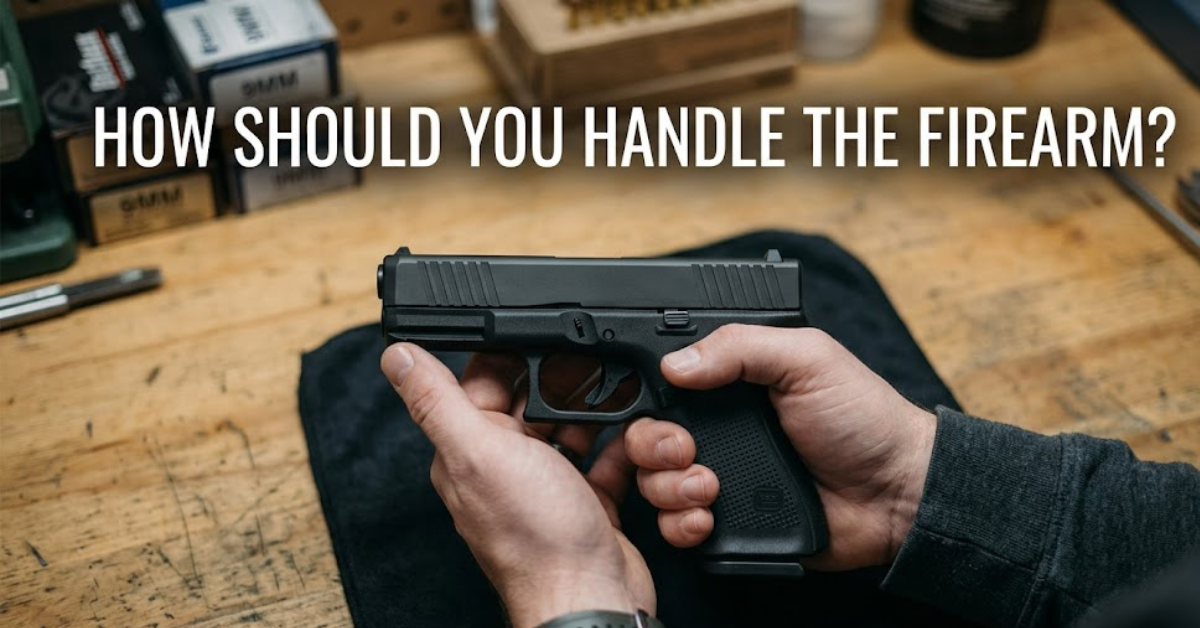
Firearm safety starts long before a trip to the shooting range or a hunting outing. In fact, one of the most important moments for safe gun ownership happens right at home. If you remove a firearm from its storage location in your home, how should you handle the firearm? The answer is simple but extremely important: every firearm should be handled with caution, awareness, and strict attention to safety rules at all times.
Many accidental injuries happen because someone assumes a firearm is unloaded or handles it carelessly for “just a second.” Safe firearm handling is about building habits that become automatic every single time you touch a gun.
In this guide, we’ll cover:
- Essential firearm safety rules
- Safe handling procedures
- What to do immediately after removing a firearm from storage
- Common mistakes to avoid
- Safe storage and transport tips
- Frequently asked questions
Whether you’re a new gun owner or someone reviewing safety basics, these practices are critical for responsible firearm ownership.
The First Rule: Treat Every Firearm as Loaded
The most important principle in firearm safety is:
Always treat every firearm as if it is loaded.
Even if you personally unloaded it earlier, never assume a firearm is empty without checking it yourself.
Why This Rule Matters
People often experience accidents because they:
- Forget a round is chambered
- Assume someone else unloaded the firearm
- Become distracted
- Rush through safety checks
Consistent safety habits help prevent tragic mistakes.
How Should You Handle the Firearm After Removing It From Storage?
When you remove a firearm from storage, follow a calm and deliberate process.
Basic Safe Handling Steps
- Keep the firearm pointed in a safe direction
- Keep your finger off the trigger
- Engage the safety if applicable
- Check whether the firearm is loaded
- Maintain awareness of people nearby
These steps should happen every single time without exception.
Always Point the Firearm in a Safe Direction
One of the core rules of gun safety is muzzle control.
What Is a Safe Direction?
A safe direction means:
- Away from people
- Away from pets
- Away from anything you do not intend to destroy
Even during cleaning or inspection, the firearm should remain pointed safely.
Keep Your Finger Off the Trigger
Another critical rule:
Do not place your finger on the trigger until you are ready to shoot.
Instead:
- Keep your trigger finger straight
- Rest it outside the trigger guard
This simple habit dramatically reduces accidental discharges.
Check Whether the Firearm Is Loaded
Immediately inspect the firearm after removing it from storage.
Important Safety Checks
- Remove the magazine if applicable
- Open the action
- Visually inspect the chamber
- Physically confirm the chamber is empty if appropriate
Never rely only on memory.
Be Aware of Your Surroundings
Situational awareness matters just as much at home as it does at a range.
Before Handling a Firearm
Make sure:
- Children are not nearby
- Pets are controlled
- Distractions are minimized
- The environment is calm and safe
Responsible handling requires full attention.
Common Firearm Handling Mistakes
Many accidents result from preventable habits.
Unsafe Behaviors to Avoid
- Pointing a firearm at someone “as a joke”
- Assuming the gun is unloaded
- Handling firearms while distracted
- Leaving guns unattended
- Placing a finger on the trigger unnecessarily
Even experienced gun owners must avoid complacency.
Why Safe Storage Matters
Safe handling starts with proper storage.
Recommended Firearm Storage Options
- Locked gun safes
- Lockboxes
- Trigger locks
- Secure cabinets
A securely stored firearm helps prevent:
- Unauthorized access
- Theft
- Accidental injury
Firearm Safety Around Children
Children are naturally curious.
That’s why firearms should always be:
- Locked
- Unloaded when stored
- Inaccessible to unauthorized users
Many safety organizations recommend teaching children:
- Stop
- Don’t touch
- Leave the area
- Tell an adult
Should Ammunition Be Stored Separately?
Many firearm safety experts recommend storing ammunition separately from firearms when practical.
This adds another layer of safety and helps reduce unauthorized use.
Cleaning and Inspecting Firearms Safely
Before cleaning a firearm:
Always:
- Confirm the firearm is unloaded
- Remove all ammunition from the area
- Follow manufacturer instructions
- Work in a well-lit space
Cleaning accidents happen more often than many people realize.
Building Good Firearm Safety Habits
Responsible firearm ownership depends on consistency.
Helpful Safety Habits Include
- Double-checking the chamber
- Practicing safe muzzle direction
- Using proper storage every time
- Reviewing safety rules regularly
- Staying focused while handling firearms
Safe habits become automatic through repetition.
Why Firearm Safety Training Is Important
Even experienced owners benefit from refresher training.
Professional firearm safety courses can help people:
- Improve handling skills
- Learn legal responsibilities
- Practice safe storage
- Build confidence
Many communities offer certified firearm safety programs.
Responsible Gun Ownership at Home
Owning a firearm carries serious responsibility.
Safe firearm ownership includes:
- Proper training
- Secure storage
- Responsible handling
- Understanding local laws
- Preventing unauthorized access
Safety should always come before convenience.
What to Do If You’re Unsure About a Firearm
If you encounter a firearm and are uncertain how to handle it:
- Do not experiment
- Keep it pointed safely
- Avoid touching the trigger
- Seek help from a qualified firearms instructor or knowledgeable professional
Never guess when safety is involved.
FAQs About Handling a Firearm at Home
You remove a firearm from its storage location in your home. How should you handle the firearm?
Handle it carefully by pointing it in a safe direction, keeping your finger off the trigger, and immediately checking whether it is loaded.
What is the first rule of firearm safety?
Treat every firearm as if it is loaded.
Should you check a firearm even if you think it’s unloaded?
Yes. Always personally verify the firearm’s condition.
Why is muzzle direction important?
A safe muzzle direction helps prevent injury if the firearm accidentally discharges.
Should ammunition be stored separately?
Many experts recommend separate ammunition storage when possible.
Is it safe to leave a firearm unlocked at home?
No. Firearms should be securely stored to prevent unauthorized access.
Why is trigger discipline important?
Keeping your finger off the trigger reduces the risk of accidental firing.
Conclusion
If you remove a firearm from its storage location in your home, how should you handle the firearm? The safest approach is always the same: treat the firearm with respect, caution, and complete attention to established safety rules.
By keeping the muzzle pointed in a safe direction, maintaining trigger discipline, checking whether the firearm is loaded, and using proper storage practices, responsible gun owners help protect themselves and everyone around them.
Firearm safety is not about fear — it’s about consistent habits, awareness, and responsibility. Reviewing these fundamentals regularly can make a major difference in preventing accidents and promoting safe firearm ownership at home.