
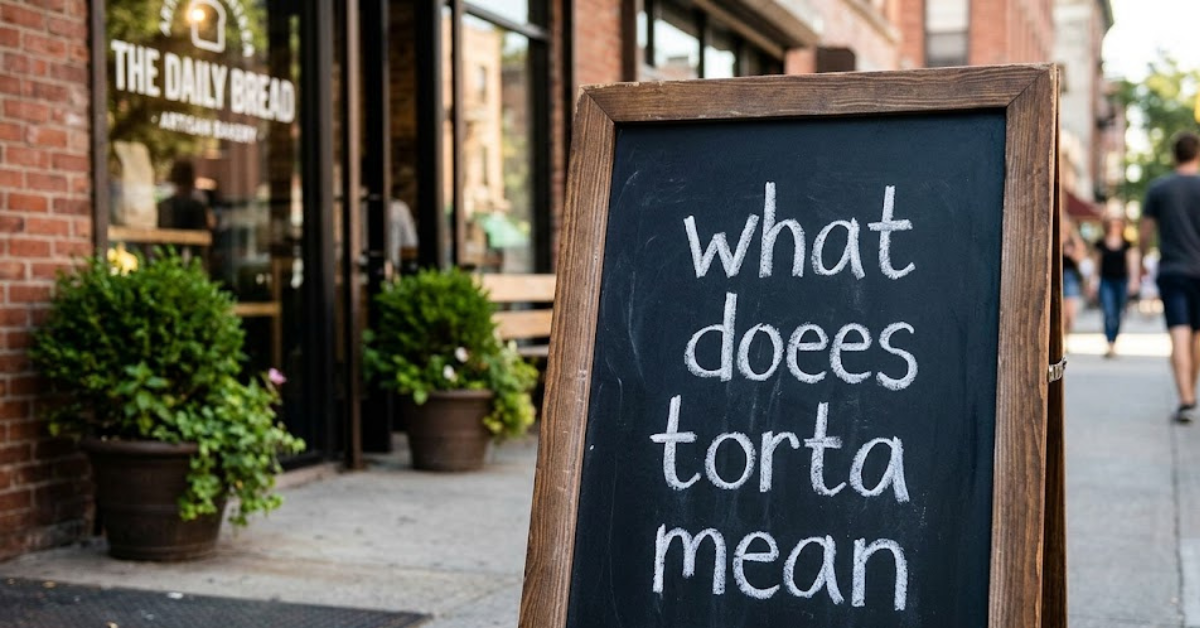
Some words carry completely different meanings depending on where you hear them, and “torta” is one of the best examples. You might see it on a restaurant menu, hear it in a social media video, or come across it in casual conversation. Naturally, many people become curious about what the term actually means.
In Spanish-speaking cultures, the word can refer to food, desserts, or even slang expressions. Its meaning changes by region, which is why it often creates confusion for travelers, language learners, and internet users alike. This guide explains the cultural background, culinary uses, and modern interpretations of the term in a clear and easy-to-understand way.
Understanding the Meaning Behind the Word
The term comes from Spanish and has existed for centuries. Depending on the country, it may describe:
- A sandwich
- A cake or pastry
- A slang expression
- A regional specialty dish
Because of these multiple uses, context matters a lot. Someone talking about lunch is probably referring to food, while a social media post could be using the term differently.
The Mexican Sandwich Everyone Talks About
In Mexico, the word is most commonly associated with a large, flavorful sandwich served on soft bread rolls such as bolillo or telera.
What Makes This Sandwich Unique?
Unlike a typical deli sandwich, the Mexican version is packed with bold ingredients and warm fillings. Common additions include:
- Grilled meats
- Beans
- Avocado
- Cheese
- Jalapeños
- Tomatoes
- Cream or mayonnaise
The bread is often lightly toasted, giving it a crisp outside and soft interior.
Popular Regional Varieties
Several famous versions are enjoyed throughout Mexico:
- Cubana – loaded with multiple meats
- Milanesa – made with breaded meat cutlets
- Ahogada – covered in spicy sauce
- Carnitas – filled with slow-cooked pork
These sandwiches are popular street foods because they are affordable, filling, and customizable.
Different Meanings Around the World
One reason the phrase gets searched so often is that Spanish-speaking countries interpret it differently.
Spain
In Spain, the word may refer to a flat pastry, baked item, or cake-like dessert.
Argentina and Colombia
In these countries, it usually means cake. For example:
- Birthday cake
- Chocolate cake
- Celebration desserts
Philippines
In some Filipino regions, the term can describe either a baked treat or an egg-based dish.
Slang and Online Usage
Internet culture has introduced additional interpretations. On social media, the word may appear in jokes, memes, or slang conversations.
Regional Slang Meanings
In certain Latin American communities, it can be used informally to describe someone’s appearance or body shape. Depending on tone and context, it might sound playful, humorous, or rude.
Because slang changes quickly, it’s important to understand the setting before using unfamiliar expressions casually.
Social Media Trends
Food videos, TikTok recipes, and meme pages have helped popularize the word internationally. Many younger users first encounter it online rather than through traditional language learning.
Why This Word Creates Confusion
Language evolves differently across cultures. Just like some English words have different meanings in the US and UK, Spanish vocabulary also changes from country to country.
Here’s a quick comparison:
| Country | Common Meaning |
| Mexico | Sandwich |
| Spain | Pastry or cake |
| Argentina | Cake |
| Philippines | Egg dish or dessert |
| Online slang | Context-based meaning |
This variation is completely normal in multilingual cultures.
Food Culture and Global Popularity
Mexican cuisine has become increasingly popular worldwide, helping introduce this sandwich style to new audiences.
Why People Love It
Fans appreciate it because it is:
- Filling
- Flavorful
- Easy to customize
- Great for quick meals
- Packed with fresh ingredients
Food trucks and restaurants across North America and Europe now regularly serve these sandwiches alongside tacos and burritos.
Sandwich vs Taco: What’s the Difference?
People unfamiliar with Mexican food sometimes compare the two.
Sandwich Style
- Made with bread
- Larger and heavier
- Often includes multiple layers
Taco Style
- Made with tortillas
- Smaller portions
- Simpler fillings
Both are staples of Mexican cuisine, but they offer very different textures and eating experiences.
Common Misunderstandings
It Always Refers to a Sandwich
Not true. In many countries, the word describes desserts rather than savory food.
It Is Always Slang
Most uses are completely food-related and harmless.
Every Country Uses It the Same Way
Regional language differences make the meaning highly dependent on location.
Cultural Importance in Latin Cuisine
Food traditions play a major role in Latin American identity, and this dish is part of everyday life in many communities. Street vendors, cafés, and family-run restaurants often serve regional versions passed down through generations.
The popularity of these dishes reflects broader cultural values such as:
- Community dining
- Shared recipes
- Affordable comfort food
- Regional culinary pride
FAQs
What does this word usually mean in Mexico?
It generally refers to a sandwich made with soft bread and flavorful fillings.
Why does the meaning change by country?
Spanish vocabulary evolved differently across regions, so many words developed local meanings over time.
Is it a cake or a sandwich?
It can mean either one depending on the country and context.
Is the slang version offensive?
Sometimes it can be, depending on tone and regional usage. Context matters.
Why is it popular online?
Social media food videos, memes, and cultural discussions have increased global interest in the term.
What type of bread is commonly used?
Traditional Mexican versions usually use bolillo or telera bread rolls.
Conclusion
This simple-looking word has a surprisingly rich cultural background. In some places, it refers to a hearty Mexican sandwich. In others, it describes cakes, pastries, or regional dishes. Online, it may even appear as slang in memes and casual conversations.
Understanding these differences helps avoid confusion while also offering insight into how language and food culture evolve across countries. Whether you encounter the term in a restaurant, on social media, or in conversation, context will usually reveal the intended meaning.