
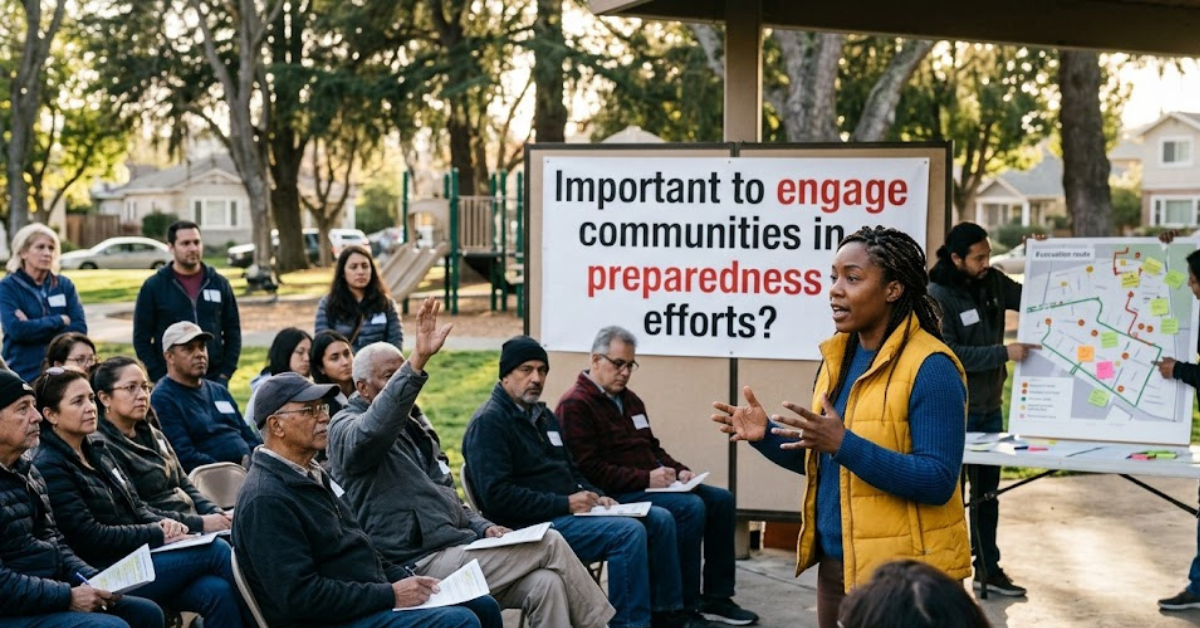
When disasters strike, whether it’s a flood, wildfire, hurricane, earthquake, or public health emergency, the strength of a community often determines how well people respond and recover. That’s why the question “why is it important to engage communities in preparedness efforts?” has become increasingly relevant for governments, emergency managers, schools, businesses, and nonprofit organizations.
Preparedness is most effective when it goes beyond official plans and involves the people who are directly affected. Engaging communities in preparedness efforts helps build resilience, improves communication, and ensures that emergency plans reflect local needs and realities. In this article, we’ll explore why community engagement is a critical part of disaster preparedness and how it benefits everyone involved.
What Is Community Preparedness?
Community preparedness refers to the actions individuals, families, organizations, and local governments take to prepare for emergencies before they occur.
These efforts may include:
- Emergency planning
- Disaster drills
- Public education campaigns
- Community training programs
- Resource coordination
- Risk awareness initiatives
The goal is to reduce vulnerability and improve a community’s ability to respond and recover during a crisis.
Why Is It Important to Engage Communities in Preparedness Efforts?
The simple answer is that communities are often the first line of defense during emergencies.
While emergency responders play a vital role, they cannot be everywhere at once. Engaged communities can act quickly, support vulnerable residents, and help coordinate local response efforts.
Community involvement transforms preparedness from a government responsibility into a shared responsibility.
Building Stronger Community Resilience
What Is Community Resilience?
Community resilience is the ability of a community to withstand, adapt to, and recover from adverse events.
When residents actively participate in preparedness activities, they become better equipped to:
- Recognize risks
- Respond effectively
- Support neighbors
- Recover more quickly
Prepared communities often experience fewer disruptions and recover faster after disasters.
Improving Emergency Communication
One of the biggest challenges during emergencies is communication.
Why Communication Matters
Accurate information helps people make informed decisions and avoid unnecessary risks.
Engaging communities before a disaster occurs helps establish:
- Trusted communication channels
- Local information networks
- Community leaders and ambassadors
- Multilingual communication strategies
This improves the flow of information when time is critical.
Encouraging Local Ownership of Preparedness Plans
Preparedness plans are often more effective when local residents contribute to their development.
Community Knowledge Matters
Residents understand:
- Neighborhood vulnerabilities
- Local resources
- Transportation challenges
- Cultural considerations
- Special community needs
Including community members in planning creates solutions that are practical and relevant.
Identifying Vulnerable Populations
Every community includes individuals who may need additional support during emergencies.
These groups may include:
- Older adults
- People with disabilities
- Children
- Low-income households
- Non-native language speakers
- Individuals with limited transportation access
Community engagement helps identify these populations and ensure preparedness plans address their needs.
Strengthening Trust Between Communities and Authorities
Trust is a critical factor in emergency management.
When people trust local agencies and emergency officials, they are more likely to:
- Follow evacuation orders
- Participate in preparedness programs
- Share important information
- Cooperate during recovery efforts
Engaging communities before a crisis helps build these relationships over time.
Enhancing Disaster Response Capabilities
Faster Initial Response
In the first hours of an emergency, community members often help one another before professional responders arrive.
Prepared residents can:
- Provide basic first aid
- Check on neighbors
- Share resources
- Report hazards
- Support evacuation efforts
These actions can save lives and reduce injuries.
Better Resource Coordination
Community engagement helps identify:
- Local shelters
- Volunteer networks
- Food distribution points
- Transportation resources
- Medical support options
This knowledge improves coordination during emergencies.
Promoting Preparedness Education
Education is one of the most effective preparedness tools available.
Community outreach programs can teach residents how to:
- Create emergency kits.
- Develop family communication plans.
- Understand local hazards.
- Prepare evacuation routes.
- Access emergency alerts.
An informed population is better prepared to respond appropriately when disasters occur.
Encouraging Volunteer Participation
Many emergency preparedness programs rely on volunteers.
Examples include:
- Community Emergency Response Teams (CERT)
- Neighborhood preparedness groups
- Disaster relief organizations
- Local health initiatives
Engaged communities are more likely to contribute time, skills, and resources to preparedness activities.
Supporting Long-Term Recovery
Preparedness isn’t just about surviving a disaster. It’s also about recovering afterward.
Communities that actively participate in preparedness efforts often experience:
- Faster recovery times
- Stronger social support networks
- Better access to resources
- Improved mental health outcomes
Recovery becomes more manageable when relationships and support systems already exist.
Benefits of Community Engagement in Preparedness
Key Advantages
- Stronger disaster resilience
- Improved communication
- Increased public awareness
- Better emergency planning
- Enhanced trust in authorities
- Faster recovery efforts
- More effective resource allocation
These benefits make community engagement a cornerstone of modern emergency management.
Common Barriers to Community Engagement
Despite its importance, community engagement can be challenging.
Limited Awareness
Many people underestimate local risks and fail to prioritize preparedness.
Lack of Resources
Some communities face funding, staffing, or infrastructure limitations.
Language and Cultural Differences
Communication barriers can make outreach efforts more difficult.
Time Constraints
Busy schedules may prevent residents from participating in preparedness activities.
Addressing these barriers requires ongoing outreach and inclusive planning.
Best Practices for Engaging Communities
Organizations can strengthen preparedness efforts by:
Listening First
Gather community input before creating plans.
Using Multiple Communication Channels
Combine:
- Social media
- Community meetings
- Email alerts
- Printed materials
- Local partnerships
Encouraging Collaboration
Involve:
- Schools
- Businesses
- Faith-based organizations
- Nonprofits
- Neighborhood groups
Providing Practical Training
Hands-on exercises often produce better results than information alone.
Real-World Examples of Community Preparedness
Successful preparedness initiatives often include:
- Neighborhood emergency response teams
- Community evacuation drills
- Local disaster preparedness workshops
- Public health awareness campaigns
- Volunteer-led emergency support networks
These programs demonstrate how community involvement can improve emergency outcomes.
Frequently Asked Questions
Why is community engagement important in emergency preparedness?
Community engagement helps improve communication, increase awareness, identify local needs, and strengthen disaster response and recovery efforts.
How does community preparedness reduce disaster risks?
Prepared communities can respond faster, make informed decisions, and support vulnerable residents, reducing the overall impact of emergencies.
What is community resilience?
Community resilience refers to a community’s ability to prepare for, respond to, and recover from disasters and other disruptions.
Who should be involved in preparedness efforts?
Everyone can play a role, including residents, businesses, schools, nonprofits, healthcare providers, and government agencies.
What are examples of preparedness activities?
Examples include emergency drills, preparedness workshops, evacuation planning, first-aid training, and public education campaigns.
How can local governments improve community engagement?
Local governments can build trust, encourage participation, provide accessible information, and involve residents in planning and decision-making processes.
Conclusion
Understanding why is it important to engage communities in preparedness efforts is essential for creating safer, more resilient communities. Emergencies affect everyone, and preparedness works best when it is a shared responsibility rather than the sole responsibility of emergency agencies.
By involving residents in planning, education, communication, and response activities, communities become better equipped to handle disasters, support vulnerable populations, and recover more quickly. Strong community engagement not only improves preparedness outcomes but also strengthens the relationships and trust that help communities thrive long after a crisis has passed.
If you’re interested in learning more, consider exploring topics such as disaster risk reduction, emergency planning, community resilience strategies, and volunteer preparedness programs.