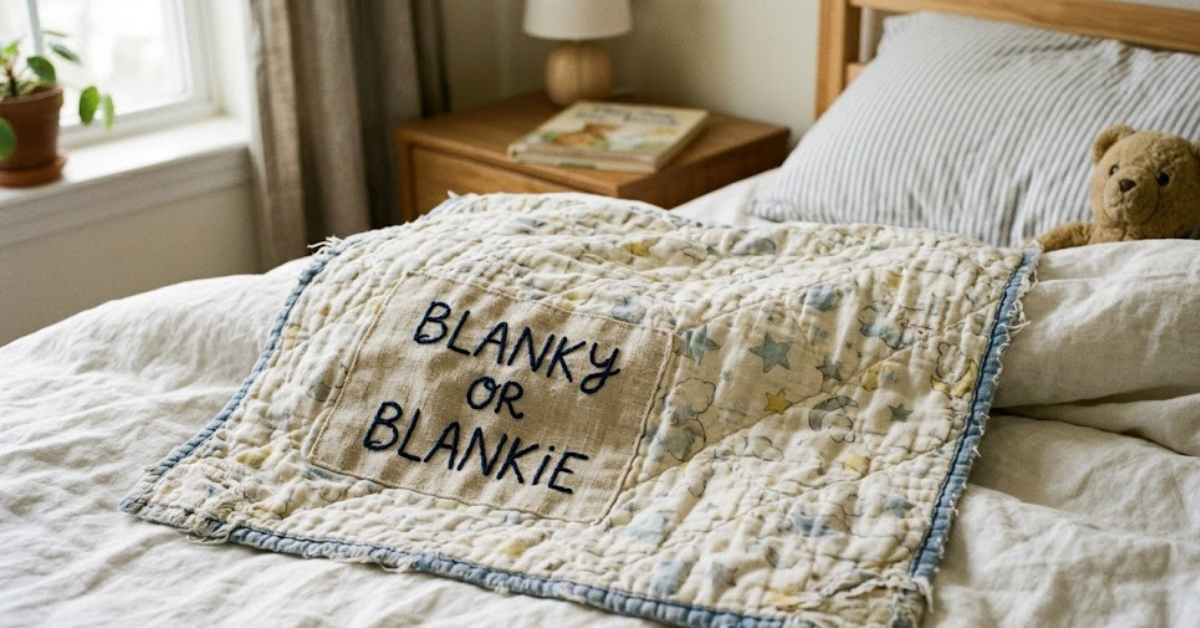
Few words bring back childhood memories as quickly as “blankie.” Whether it was a favorite baby blanket, a comfort object, or a treasured bedtime companion, many people remember having one growing up. But when it comes to spelling, a common question arises: blanky or blankie?
If you’ve ever wondered whether to write blankie or blanky, or perhaps even blankey or blankie, you’re not alone. These variations frequently appear in text messages, parenting blogs, social media posts, and everyday conversations. In this guide, we’ll explore the correct spelling, meanings, common usage, and why some versions are more widely accepted than others.
Blanky or Blankie: Which Spelling Is Correct?
The good news is that both blanky and blankie are commonly used in informal English.
However, blankie is generally considered the more widely recognized and standard spelling.
A blankie is an affectionate term for a blanket, especially one used by babies or young children for comfort and security.
Examples:
- My daughter never goes to bed without her blankie.
- He carried his favorite blankie everywhere.
- The old blankie helped her feel safe during naps.
While “blanky” is also understood, “blankie” appears more frequently in dictionaries, parenting resources, and published writing.
How Do You Spell Blankie?
One of the most common searches is how do you spell blankie.
The preferred spelling is:
Blankie
This spelling follows a common pattern in English where “-ie” is added to create a cute or affectionate nickname.
Examples include:
- Dog → Doggie
- Bird → Birdie
- Blanket → Blankie
Although “blanky” is not necessarily wrong, “blankie” is generally viewed as the standard informal spelling.
Blankie or Blanky: Why Are There Two Versions?
Language often evolves through speech rather than formal grammar rules.
Because “blankie” is typically spoken by children or parents, different spellings emerged over time.
Blankie
- More common in written English
- Frequently used in parenting books
- Recognized by many dictionaries
- Often preferred in published content
Blanky
- Informal alternative spelling
- Common in personal messages and social media
- Often reflects pronunciation preferences
In everyday conversation, both versions are easily understood.
Blankey or Blankie: Another Common Confusion
Some people also search for blankey or blankie or blankie or blankey.
Among these options, blankie remains the most commonly accepted spelling.
Blankey
While occasionally seen online, “blankey” is much less common.
Examples:
- Blankie
- Blanky
- Blankey (less common)
Most writers, parents, and publishers choose “blankie” when referring to a child’s comfort blanket.
What Does Blankie Mean?
A blankie is more than just a blanket.
The word often refers to:
- A child’s favorite blanket
- A comfort object
- A security item during sleep
- A sentimental childhood possession
Many children develop strong emotional attachments to their blankies.
These attachments can provide:
- Emotional comfort
- Stress relief
- Familiarity
- Better sleep routines
Psychologists often refer to such items as “transitional objects” because they help children feel secure as they grow and become more independent.
Why Children Become Attached to a Blankie
The popularity of the term blankie comes from its role in childhood development.
Children often form attachments because a blankie provides:
Comfort
The familiar texture and smell can help children feel calm.
Security
A blankie may provide reassurance in unfamiliar situations.
Routine
Bedtime routines often become associated with a favorite blanket.
Independence
Comfort objects can help children navigate separation from parents.
These benefits explain why blankies remain a cherished part of many childhood memories.
Blankie in Popular Culture
The word “blankie” appears frequently in:
- Parenting blogs
- Children’s books
- Television shows
- Social media posts
- Family discussions
It’s often used affectionately to describe a beloved blanket that carries emotional significance.
Even adults sometimes jokingly refer to their favorite throw blankets as blankies.
Examples of Blankie in Sentences
Here are some common examples:
- The toddler refused to leave home without her blankie.
- His old blankie was beginning to show signs of wear.
- She found comfort in her childhood blankie during stressful times.
- The baby’s blankie helped establish a bedtime routine.
- My grandmother saved my favorite blankie for years.
These examples demonstrate the warm, affectionate nature of the word.
Is Blankie a Real Word?
Yes.
Although it is considered informal, blankie is a recognized English word commonly used to describe a child’s favorite blanket.
Like words such as:
- Doggie
- Kitty
- Tummy
- Blankie
It belongs to a category of affectionate and diminutive forms often used when speaking to children.
Common Related Terms
When discussing blankies, you may also encounter:
- Security blanket
- Comfort blanket
- Transitional object
- Baby blanket
- Lovey
- Comfort item
While these terms are similar, “blankie” specifically conveys a sense of affection and familiarity.
Frequently Asked Questions
Blanky or blankie: which is correct?
Both are used, but blankie is generally considered the more common and widely accepted spelling.
How do you spell blankie?
The preferred spelling is blankie.
Is blanky a real word?
Yes. Blanky is an informal alternative spelling, though it is less common than blankie.
Blankey or blankie: which should I use?
Most writers and parents use blankie because it is more widely recognized.
What does blankie mean?
A blankie is a child’s favorite blanket or comfort blanket, often used for emotional security.
Is blankie only for children?
No. Although the term usually refers to children’s blankets, adults sometimes use it playfully to describe a favorite blanket.
Why do children love their blankies?
Blankies provide comfort, familiarity, security, and emotional support during childhood development.
Conclusion
When deciding between blanky or blankie, the spelling blankie is generally the preferred choice. While both versions appear in everyday language, blankie is more common in writing, parenting resources, and popular usage. The less common variant blankey occasionally appears but is rarely considered the standard spelling.
Whether you’re searching for blankie or blanky, wondering how do you spell blankie, or simply reminiscing about a cherished childhood comfort object, understanding the distinctions can help you use the term confidently. At its heart, a blankie represents warmth, security, and the comforting memories that many people carry long after childhood.