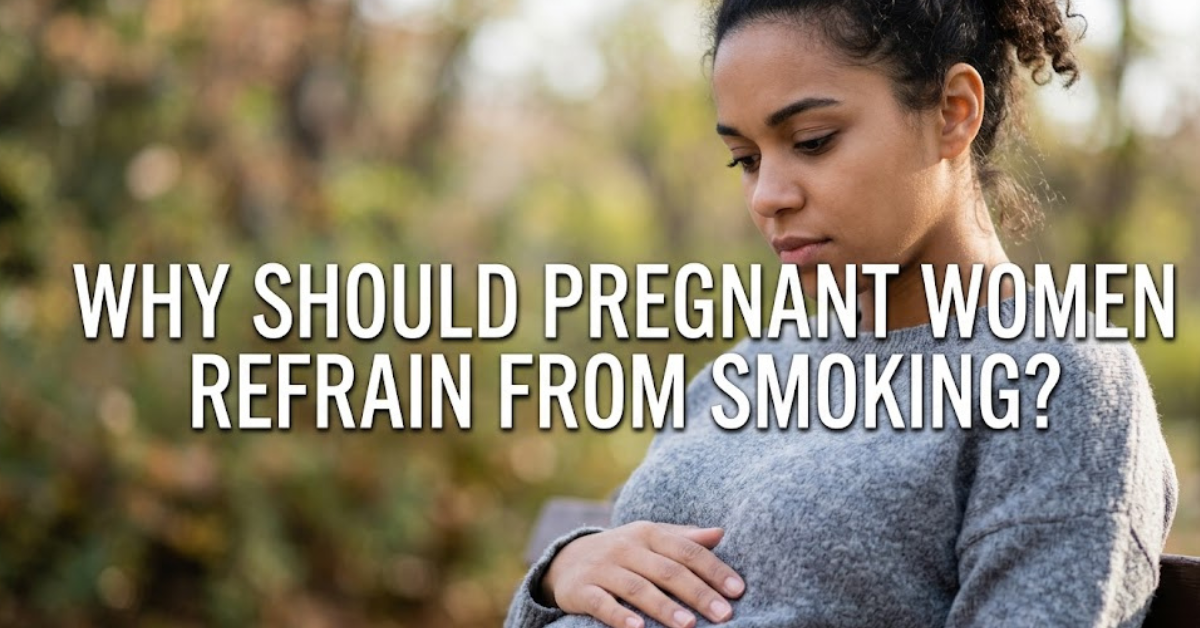
Pregnancy is a time when every choice can impact both mother and baby. Among the most important health decisions during this period is avoiding tobacco use. If you’ve ever wondered why should pregnant women refrain from smoking?, the answer is simple but serious: smoking during pregnancy can increase health risks for both the developing baby and the mother.
From reduced oxygen supply to pregnancy complications, smoking affects fetal growth in ways many people don’t fully realize. The good news is that quitting—at any stage of pregnancy—can still improve outcomes.
Let’s take a closer look at why avoiding smoking matters so much during pregnancy.
How Smoking Affects Pregnancy
When a pregnant woman smokes, harmful chemicals enter her bloodstream and reach the baby through the placenta.
Some of the most dangerous substances include:
- Nicotine
- Carbon monoxide
- Tar and toxic chemicals
These chemicals reduce the amount of oxygen the baby receives, which can interfere with normal growth and development.
Why Should Pregnant Women Refrain From Smoking? Key Health Risks
1. Reduced Oxygen Supply to the Baby
One of the biggest dangers of smoking is oxygen restriction.
Carbon monoxide from cigarettes:
- Replaces oxygen in the blood
- Reduces oxygen flow to the fetus
- Forces the baby’s heart to work harder
Healthy fetal development depends heavily on oxygen.
2. Increased Risk of Premature Birth
Smoking during pregnancy significantly increases the risk of preterm labor.
Premature babies may face:
- Breathing difficulties
- Feeding challenges
- Developmental delays
- Increased hospital care needs
The earlier a baby is born, the higher the potential health complications.
3. Low Birth Weight
Babies exposed to smoking in the womb are more likely to have low birth weight.
Low birth weight can lead to:
- Weakened immune systems
- Difficulty maintaining body temperature
- Slower growth after birth
This is one of the most well-documented effects of maternal smoking.
4. Higher Risk of Miscarriage and Stillbirth
Smoking raises the risk of pregnancy loss because it affects blood flow and placental health.
Research has linked smoking with:
- Miscarriage
- Placental complications
- Stillbirth
Even secondhand smoke exposure may increase risks.
5. Long-Term Health Problems for Children
The effects of smoking may continue after birth.
Children exposed during pregnancy may have higher risks of:
- Asthma and respiratory problems
- Behavioral difficulties
- Learning challenges
- Sudden Infant Death Syndrome (SIDS)
This is why doctors strongly recommend quitting as early as possible.
The Impact of Secondhand Smoke During Pregnancy
Even if a pregnant woman does not smoke directly, secondhand smoke can still be harmful.
Exposure to smoke from others may:
- Reduce oxygen supply
- Irritate the lungs
- Increase pregnancy complications
Creating a smoke-free environment is important for both mother and baby.
Benefits of Quitting Smoking During Pregnancy
The body begins recovering quickly after smoking stops.
Benefits may include:
- Improved oxygen levels
- Better fetal growth
- Reduced risk of premature birth
- Improved maternal health
Quitting at any stage of pregnancy can make a positive difference.
Tips for Pregnant Women Trying to Quit Smoking
Quitting can be difficult, especially during stressful times, but support helps.
Helpful strategies include:
- Talking to a healthcare provider
- Avoiding smoking triggers
- Seeking emotional support
- Joining smoking cessation programs
- Replacing smoking habits with healthier routines
Professional guidance is always recommended before using nicotine replacement products during pregnancy.
Common Myths About Smoking During Pregnancy
“Cutting down is enough.”
Reducing cigarettes may help slightly, but complete quitting is safest.
“Smoking relieves stress.”
While nicotine may feel calming temporarily, smoking actually increases long-term stress and health risks.
“It’s too late to quit.”
It’s never too late. Stopping smoking at any point in pregnancy can still improve outcomes.
FAQs
1. Why should pregnant women refrain from smoking?
Because smoking increases the risk of miscarriage, premature birth, low birth weight, and developmental problems.
2. Can smoking affect the baby’s brain development?
Yes, smoking during pregnancy may affect brain and nervous system development.
3. Is vaping safer during pregnancy?
Most experts recommend avoiding vaping too, since nicotine can still harm fetal development.
4. Does secondhand smoke affect pregnancy?
Yes, secondhand smoke exposure can also increase health risks for both mother and baby.
5. Can quitting smoking during pregnancy still help?
Absolutely. Quitting at any stage improves oxygen flow and reduces complications.
Conclusion
So, why should pregnant women refrain from smoking? Because smoking can seriously affect both pregnancy health and fetal development. From reduced oxygen levels to premature birth risks, the impact goes far beyond the cigarette itself.
The encouraging part is that quitting can lead to healthier outcomes for both mother and baby—even if it happens later in pregnancy. Small changes today can have lifelong benefits tomorrow.
If you or someone you know is pregnant and struggling to quit smoking, reaching out to a healthcare professional is one of the best next steps.