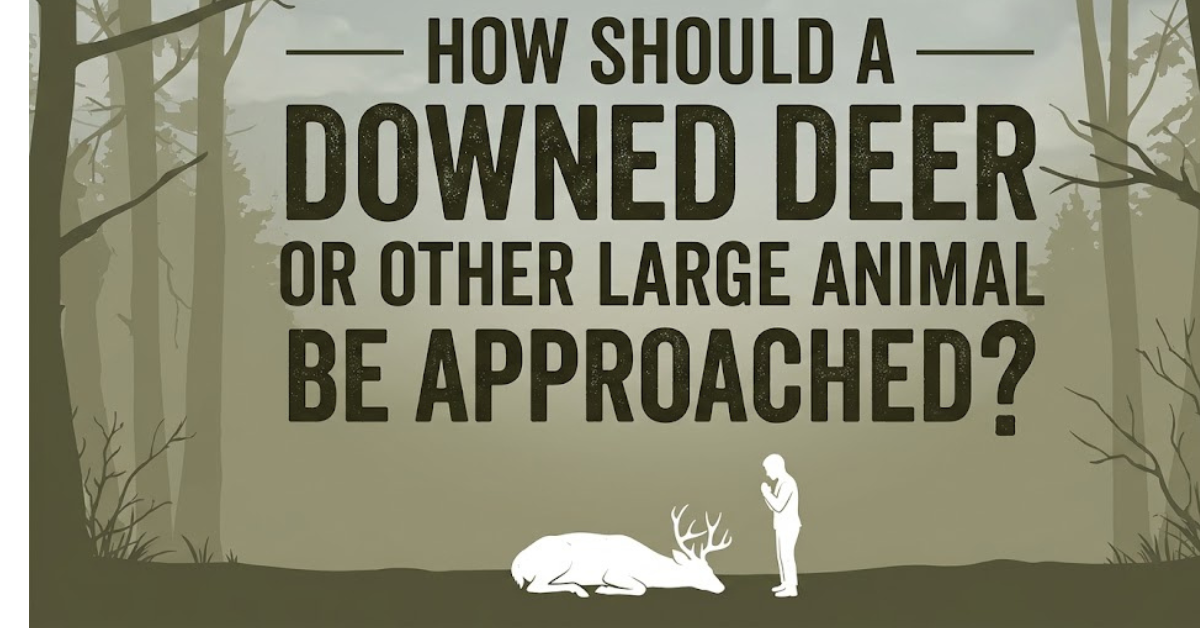
Coming across a downed deer or another large wild animal in the field can be a powerful moment—sometimes emotional, sometimes confusing, and often dangerous if you don’t know what to do next. That’s why understanding how should a downed deer or other large animal be approached? is so important for hunters, hikers, wildlife workers, and anyone spending time in nature.
A large animal that appears still or injured is not always harmless. Even when it seems motionless, it may still be alive, alert, or capable of sudden movement. Misjudging the situation can put both people and animals at risk.
In this guide, we’ll break down safe wildlife handling principles, explain common risks, and walk through step-by-step how to approach such situations responsibly and safely.
Understanding the Situation First
Before approaching, it’s important to understand that a “downed” animal may not always be dead.
Possible scenarios include:
- The animal is injured but still alive
- The animal is exhausted and resting
- The animal is stunned but recovering
- The animal is deceased but not yet safe to handle
Large animals like deer can react unpredictably even when severely injured. That’s why caution is always the first step.
How Should a Downed Deer or Other Large Animal Be Approached Safely?
The safest answer is simple: slowly, carefully, and from a safe distance first.
Rushing in is one of the most common mistakes people make in the field.
Step-by-step approach:
1. Observe From a Distance First
Before moving closer:
- Watch for breathing or movement
- Check for ear twitching or eye movement
- Look for chest rise or limb movement
Even subtle signs can indicate the animal is still alive.
2. Approach From the Rear or Side
If it is safe to move closer:
- Avoid approaching head-on
- Stay low and quiet
- Move slowly and predictably
Animals may react defensively if startled from the front.
3. Watch for Signs of Life or Distress
A downed deer may still:
- Kick suddenly
- Attempt to stand
- React to noise or movement
Never assume it is fully incapacitated.
4. Maintain a Safe Buffer Zone
Keep enough distance to react if the animal moves.
As a general rule:
- Stay outside kicking or striking range
- Avoid leaning over the animal
- Never place hands near the head or antlers immediately
5. Approach Only If Necessary
Only get closer if you need to:
- Confirm death
- Provide humane dispatch (if trained and legal)
- Tag or report the animal
- Assess injury for wildlife authorities
Why Caution Matters With Large Animals
Large wildlife, especially deer, can still cause serious injury even when wounded.
Risks include:
- Sudden kicking with sharp hooves
- Head strikes or antler injuries
- Panic-driven movements
- Unexpected recovery bursts of strength
A stressed animal can react purely on instinct, not awareness.
How Should a Downed Deer or Other Large Animal Be Approached? Key Safety Principles
Always Assume It Might Be Alive
Even if it appears lifeless, treat it as potentially active.
Never Stand Directly in Front
The front is the most dangerous position due to:
- Hooves
- Antlers (in bucks)
- Sudden lunging or head movement
Avoid Sudden Movements
Quick actions can trigger defensive reactions.
Be Quiet and Controlled
Noise can:
- Startle the animal
- Increase stress response
- Trigger sudden movement
Use Proper Tools if Required
In hunting or wildlife management scenarios:
- Use a firearm only if legally permitted and trained
- Follow ethical dispatch procedures
- Follow local wildlife regulations
What to Do If the Animal Is Still Alive
If you discover that the animal is injured but alive:
Do not attempt unnecessary handling
Instead:
- Contact wildlife authorities if applicable
- Avoid prolonged stress to the animal
- Maintain a safe distance
- Follow legal and ethical guidelines
In many regions, only trained professionals are authorized to intervene.
How Should a Downed Deer or Other Large Animal Be Approached in Hunting Situations?
For hunters, this situation requires even more discipline and awareness.
Ethical field approach includes:
- Confirming the animal is no longer moving
- Waiting a short period before approaching
- Approaching from the rear at a low angle
- Ensuring a clean, humane harvest process
- Following all local hunting regulations
Respect for the animal and safety always come first.
Signs That an Animal Is Truly Deceased
Before fully approaching, look for:
Clear indicators:
- No breathing movement
- No eye reflex
- Completely limp posture
- No response to sound or movement
Even then, approach cautiously—reflex movements can still occur briefly after death.
Common Mistakes People Make
Understanding what NOT to do is just as important.
Avoid these errors:
- Running toward the animal immediately
- Standing directly in front of it
- Assuming it is dead too quickly
- Touching the head or legs first
- Turning your back on the animal too soon
These mistakes can lead to injury or stress to the animal.
Wildlife Safety and Respect
Approaching wildlife is not just about safety—it’s also about respect.
Responsible behavior ensures:
- Minimal animal suffering
- Safer field environments
- Ethical wildlife practices
- Reduced human-wildlife conflict
Whether you’re a hunter, hiker, or researcher, treating wildlife responsibly matters.
When to Call Professionals
You should contact authorities if:
- The animal is injured but still alive
- The situation involves protected wildlife
- You are unsure how to proceed
- The animal is in a public or unsafe area
Wildlife officers are trained to handle these situations properly.
FAQs About Approaching a Downed Deer or Large Animal
How should a downed deer or other large animal be approached?
It should be approached slowly, from the rear or side, while maintaining a safe distance and observing for signs of movement or distress.
Is a downed deer always dead?
No. A deer may appear downed but still be alive, injured, or recovering.
What is the safest position to approach from?
The safest approach is from behind or the side, never directly from the front.
Can a downed deer still hurt you?
Yes. Even injured deer can kick, thrash, or react suddenly with significant force.
What should I do if the animal is still alive?
Avoid direct interaction and contact wildlife authorities or trained professionals.
Why is caution important when approaching large animals?
Large animals can behave unpredictably under stress and may still have the strength to cause injury.
Conclusion
Understanding how should a downed deer or other large animal be approached? is essential for anyone spending time in nature. Whether in hunting, wildlife observation, or outdoor exploration, safety and respect must always come first.
The key takeaway is simple: never rush in. Observe first, approach slowly, and always assume the animal may still be capable of movement. With the right awareness and careful behavior, you can ensure both your safety and ethical treatment of wildlife.
If you spend time outdoors, learning proper wildlife safety practices isn’t just useful—it’s responsible.