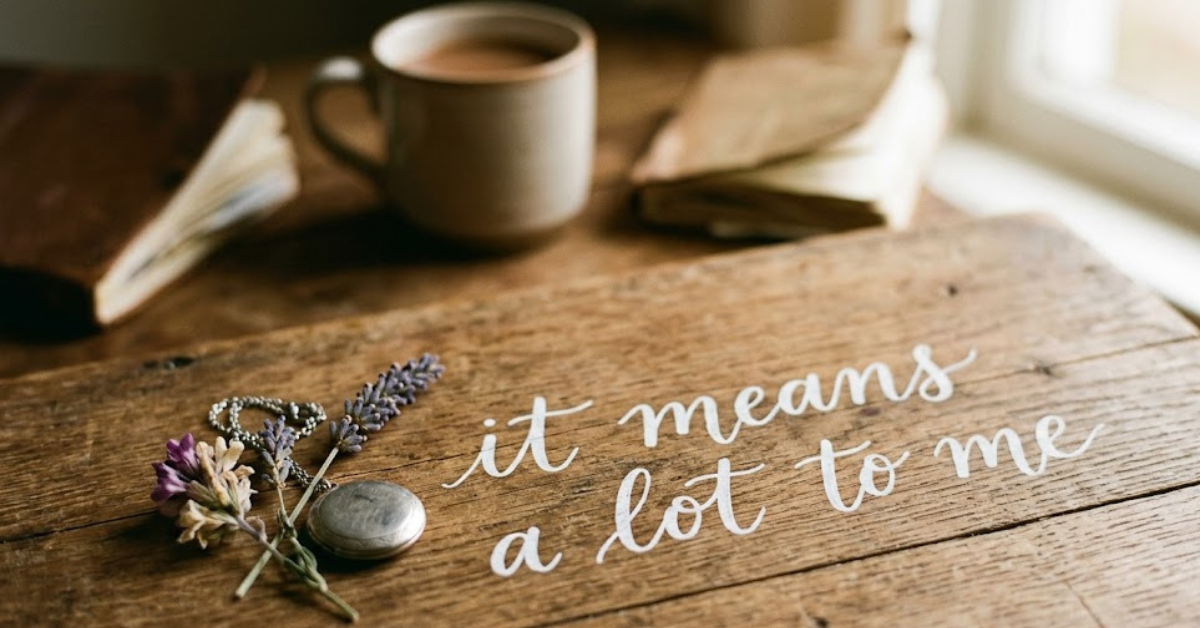
Words carry emotional weight, and few phrases express gratitude as warmly as “it means a lot to me.” Whether someone offers support, encouragement, a thoughtful gift, or simply kind words, this phrase helps communicate sincere appreciation in a natural and heartfelt way.
If you’ve ever wondered about the exact meaning of “it means a lot to me,” how to use it correctly, or what similar expressions you can say instead, this guide breaks it all down in a simple and conversational way.
By the end of this article, you’ll understand the emotional tone behind the phrase, common situations where it fits perfectly, and several alternatives you can use in personal or professional conversations.
What Does “It Means a Lot to Me” Mean?
The phrase “it means a lot to me” is used to express deep appreciation, emotional value, or personal significance.
When someone says this, they are essentially telling another person:
- “I truly appreciate this.”
- “This is emotionally important to me.”
- “Your words or actions had a meaningful impact.”
It’s commonly used in emotional, supportive, or thankful situations.
Simple Definition
“It means a lot to me” means that something has strong emotional importance or personal value.
For example:
- “Your support during my hard time means a lot to me.”
- “This gift means a lot to me because it reminds me of my grandmother.”
In both examples, the speaker is expressing sincere gratitude and emotional connection.
This Means a Lot to Me Meaning
The phrase “this means a lot to me” is nearly identical to “it means a lot to me.” The only difference is that “this” refers directly to a specific thing happening in the moment.
Example:
- “You came to my graduation. This means a lot to me.”
Here, “this” refers to the person attending the graduation ceremony.
The phrase often appears in:
- Thank-you messages
- Emotional conversations
- Speeches
- Texts to friends or family
- Workplace appreciation
Why People Use This Phrase So Often
One reason this is so popular is because it sounds genuine without being overly dramatic.
It works in many situations, including:
Personal Relationships
You can use it with:
- Friends
- Family members
- Romantic partners
Professional Settings
It also works professionally:
- Thanking a coworker
- Appreciating a mentor
- Responding to positive feedback
Emotional Moments
The phrase naturally fits:
- Difficult times
- Celebrations
- Encouragement
- Acts of kindness
Because it’s simple and emotionally clear, people instantly understand the sincerity behind it.
Your Words Mean a Lot to Me
The phrase “your words mean a lot to me” specifically refers to emotional appreciation for what someone said.
This is commonly used when:
- Someone gives encouragement
- A person offers comfort
- You receive praise or support
Examples
- “Your words mean a lot to me during this difficult time.”
- “Thank you for believing in me. Your words mean a lot to me.”
- “I was feeling discouraged, so your message really helped.”
This version emphasizes emotional support rather than physical actions or gifts.
It Really Means a Lot to Me
Adding the word “really” makes the phrase sound even more heartfelt and sincere.
Compare these:
- “It means a lot to me.”
- “It really means a lot to me.”
The second version adds stronger emotional emphasis.
When to Use “Really”
Use it when:
- You’re deeply thankful
- The situation is emotional
- Someone made a significant effort
- You want to sound especially sincere
Common Situations Where the Phrase Fits Perfectly
1. After Receiving Help
When someone supports you during a challenge:
“Thank you for helping me move. It means a lot to me.”
2. Responding to Encouragement
When someone motivates or comforts you:
“Your encouragement means a lot to me.”
3. Appreciating a Gift
Even small gifts can carry emotional value:
“This birthday present means a lot to me.”
4. Professional Appreciation
You can use it at work without sounding unprofessional:
“Thank you for your feedback. It means a lot to me.”
Alternatives to “It Means a Lot to Me”
Sometimes you may want to vary your wording. Here are some natural alternatives.
Casual Alternatives
- “I really appreciate it.”
- “That was very thoughtful.”
- “I’m grateful for this.”
- “Thanks, that made my day.”
Emotional Alternatives
- “I’ll never forget this.”
- “This touched my heart.”
- “I truly value your support.”
- “You have no idea how much this helped me.”
Professional Alternatives
- “I sincerely appreciate your support.”
- “Your feedback is greatly appreciated.”
- “Thank you for your assistance.”
- “I value your kindness and effort.”
When the Phrase Can Sound More Powerful
Tone and timing matter just as much as the words themselves.
Here’s how to make the phrase feel more authentic:
Be Specific
Instead of saying:
“It means a lot to me.”
Say:
“Your support during my interview preparation means a lot to me.”
Specificity feels more genuine.
Pair It With Gratitude
Combine it with “thank you” for stronger emotional impact.
Example:
“Thank you for checking in on me. It really means a lot to me.”
Use It Naturally
Don’t overuse the phrase in every conversation. It has more impact when reserved for meaningful moments.
Is “It Means a Lot to Me” Formal or Informal?
The phrase sits comfortably between formal and informal English.
Informal Use
Perfect for:
- Friends
- Family
- Text messages
Semi-Formal Use
Acceptable in:
- Workplace conversations
- Emails
- Thank-you notes
Extremely Formal Situations
In highly formal business writing, people may prefer:
- “I sincerely appreciate your support.”
- “Your contribution is greatly valued.”
Emotional Psychology Behind the Phrase
Humans naturally seek emotional acknowledgment. When someone says this they are validating another person’s effort or kindness.
This creates:
- Emotional connection
- Trust
- Appreciation
- Stronger relationships
Simple gratitude phrases can positively affect both the speaker and listener.
Research in communication psychology consistently shows that genuine appreciation improves interpersonal relationships and emotional well-being.
Common Mistakes People Make
Overusing the Phrase
Using it too frequently can make it lose emotional impact.
Sounding Generic
Without context, it may feel repetitive.
Instead of:
“It means a lot to me.”
Try:
“Your support during my recovery means a lot to me.”
Using It Sarcastically
Tone matters. In sarcastic situations, the phrase can sound dismissive instead of sincere.
Examples in Everyday Conversations
Text Message
“Thanks for checking on me today. It means a lot to me.”
Workplace Email
“I appreciate your guidance on this project. Your support means a lot to me.”
Relationship Conversation
“You always know how to make me feel better. That really means a lot to me.”
Social Media Caption
“Thank you everyone for the birthday wishes. They truly mean a lot to me.”
Read also <<<< Treet vs Treat
FAQs
What does “it means a lot to me” mean?
It means something has emotional importance or personal value to the speaker.
Is “this means a lot to me” grammatically correct?
Yes, it is completely correct and commonly used in everyday English.
Can I use “it means a lot to me” professionally?
Yes. It works well in semi-formal workplace communication, especially when expressing appreciation.
What can I say instead of “it means a lot to me”?
You can say:
- “I truly appreciate it.”
- “I’m very grateful.”
- “Your support matters to me.”
- “This touched my heart.”
Is “your words mean a lot to me” correct?
Yes. It means someone’s comments, encouragement, or support had emotional significance.
Does “it really means a lot to me” sound natural?
The grammatically correct version is:
“It really means a lot to me.”
Not:
“It really means a lot to me.”
Conclusion
The phrase “it means a lot to me” may sound simple, but it carries genuine emotional depth. Whether you’re thanking a friend, responding to encouragement, or expressing gratitude in a professional setting, it helps create stronger and more meaningful communication.
Understanding the meaning behind phrases like “this means a lot to me,” “your words mean a lot to me,” can help you sound more sincere, emotionally aware, and confident in conversations.
The next time someone supports you, encourages you, or shows kindness, don’t hesitate to let them know their effort mattered. Sometimes, a few heartfelt words can strengthen relationships more than we realize.