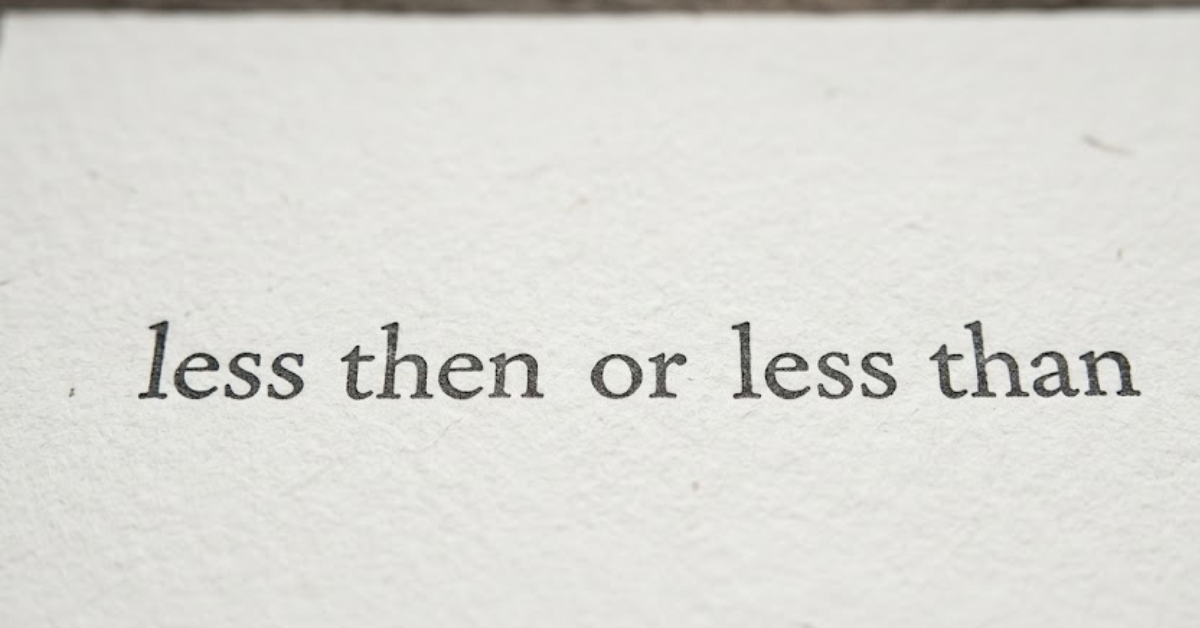
Tiny grammar mistakes can completely change the clarity of a sentence. One of the most common English mix-ups people make is less then or less than. Because the words “then” and “than” sound similar when spoken quickly, they’re often confused in writing.
If you’ve ever wondered, is it less than or less then, you’re definitely not alone. This guide explains the difference in simple terms, shows real examples, and helps you avoid one of the most common grammar mistakes in English.
Less Then or Less Than: Which One Is Correct?
The correct phrase is:
Less than
The phrase:
Less then
is usually considered grammatically incorrect unless “then” is being used in a completely different context.
Why “Less Than” Is Correct
The word than is used for comparisons.
Whenever you compare quantities, amounts, numbers, or degrees, “than” is the correct choice.
Examples:
- “The package weighs less than five pounds.”
- “She finished the test in less than an hour.”
- “The movie cost less than expected.”
In all these cases, the sentence compares one thing to another.
What Does “Then” Mean?
The confusion often happens because “then” is also a common English word.
However, then relates to:
- Time
- Sequence
- What happens next
Examples:
- “We went to dinner, then watched a movie.”
- “Finish your homework, then relax.”
So while “than” compares, “then” refers to timing or order.
Less Than or Less Then: The Main Difference
Here’s the simplest rule to remember:
| Word | Purpose | Example |
| Than | Comparison | “Less than 10 minutes” |
| Then | Time or sequence | “Eat first, then leave” |
That single distinction solves most grammar confusion.
Is It Less Than or Less Then?
The correct expression is always:
Less than
Correct examples:
- “The drive takes less than thirty minutes.”
- “I spent less than expected.”
- “There were less than twenty people at the event.”
Incorrect examples:
- “The trip took less then an hour.”
- “It costs less then before.”
In these sentences, “then” is grammatically wrong because the sentences involve comparison.
Why People Confuse Then and Than
This is one of the most common grammar mistakes in English.
1. Similar pronunciation
In casual speech, the words sound very similar.
2. Fast typing
People often type quickly and overlook small spelling differences.
3. Autocorrect issues
Some devices fail to catch contextual grammar mistakes.
4. English learning challenges
Non-native speakers frequently struggle with comparison words.
Common Uses of “Less Than”
The phrase appears constantly in everyday communication.
Numbers and Amounts
- Less than $20
- Less than five miles
- Less than 50%
Time
- Less than an hour
- Less than a week
Comparisons
- Less than ideal
- Less than perfect
It’s one of the most frequently used comparison phrases in English.
Grammar Rule Behind “Than”
The word “than” acts as a conjunction or preposition in comparative sentences.
Examples:
- Bigger than
- Smaller than
- Faster than
- Less than
Whenever a sentence compares two things, “than” is usually required.
When “Then” Is Correct
“Then” works correctly when discussing:
- Timing
- Sequence
- Results
Examples:
- “First study, then take the test.”
- “Back then, phones looked very different.”
- “If you agree, then we can begin.”
Notice these examples have nothing to do with comparison.
Easy Trick to Remember the Difference
Here’s a simple memory shortcut:
Than = Comparison
Both words contain the letter “A”:
- Than
- Compare
Then = Time
Think:
“Then” relates to “when.”
This quick trick helps many writers avoid confusion.
Less Then vs Less Than in Professional Writing
Using the correct phrase matters in:
- Academic papers
- Business communication
- Website content
- Emails
- Reports
Even small grammar mistakes can make writing look less polished or professional.
Common Mistakes to Avoid
1. Using “then” after comparative words
Incorrect:
Smaller then
Better then
Less then
Correct:
Smaller than
Better than
Less than
2. Forgetting sentence context
Ask yourself:
“Am I comparing something?”
If yes, use “than.”
Examples of Correct Usage
Correct:
- “The repair cost less than expected.”
- “She arrived in less than ten minutes.”
- “This version is less expensive than the other one.”
Incorrect:
- “The meal cost less then yesterday.”
- “It took less then an hour.”
FAQs About Less Then or Less Than
1. Is it less than or less then?
“Less than” is the correct phrase.
2. Why is “less then” incorrect?
Because “then” refers to time or sequence, not comparison.
3. What does “less than” mean?
It means a smaller amount, degree, quantity, or number compared to something else.
4. When should I use “then”?
Use “then” when talking about time, order, or what happens next.
5. Is “less then” ever correct?
Only if “then” is used separately in a sentence about timing, not as part of the comparison phrase.
Conclusion
Understanding the difference between less then or less than is easier once you remember the basic rule: than is for comparisons, while then relates to time or sequence.
In nearly every situation involving amounts, numbers, measurements, or comparisons, the correct phrase is less than. Avoiding this common grammar mistake can make your writing clearer, more professional, and easier to understand.