
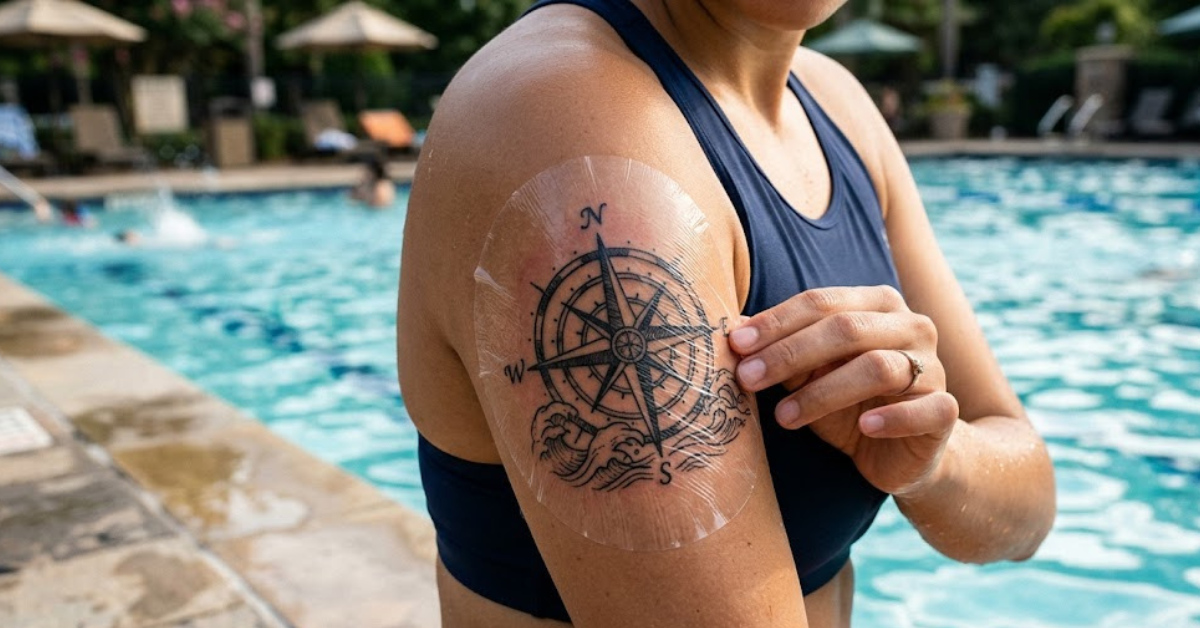
Nothing ruins the excitement of a beach vacation, pool party, or summer getaway quite like realizing your new tattoo might not be ready for the water. If you’re searching for how to waterproof a tattoo for swimming, you’re not alone. Many people want to protect their tattoo while still enjoying time in the pool, ocean, or lake.
The good news is that there are ways to help shield a tattoo from water exposure. However, it’s important to understand that waterproofing methods have limitations—especially when dealing with a fresh tattoo. In this guide, you’ll learn how to protect your ink, when it’s safe to swim, and which products can help reduce the risk of damage or infection.
Can You Really Waterproof a Tattoo?
Before discussing techniques, it’s important to know the truth.
A tattoo cannot be made 100% waterproof, especially during the healing process. Fresh tattoos are essentially open wounds, and prolonged exposure to water can interfere with healing.
What you can do is create a protective barrier that minimizes water contact for short periods. This can be helpful in situations where avoiding water entirely isn’t possible.
Why Swimming Can Damage a New Tattoo
Swimming too soon after getting a tattoo can lead to several problems.
Increased Risk of Infection
Pools, lakes, rivers, and oceans contain bacteria and microorganisms that may enter healing skin.
Ink Fading
Excess moisture can interfere with the healing process and potentially affect pigment retention.
Skin Irritation
Chlorine, saltwater, and other chemicals can irritate sensitive tattooed skin.
Delayed Healing
Constant exposure to water softens the skin and can slow the natural healing process.
How Long Should You Wait Before Swimming?
Most tattoo artists recommend waiting at least:
- 2 to 4 weeks for small tattoos
- 4 to 6 weeks for larger tattoos
- Until all scabbing and peeling have completely finished
Healing times vary depending on:
- Tattoo size
- Placement
- Skin type
- Aftercare routine
- Overall health
When in doubt, follow your tattoo artist’s recommendations.
How to Waterproof a Tattoo for Swimming
If swimming cannot be avoided, these steps can help provide temporary protection.
Step 1: Clean and Dry the Tattoo
Before applying any protective covering:
- Wash your hands thoroughly.
- Clean the tattoo with a fragrance-free cleanser.
- Pat the area dry using a clean towel.
- Allow the skin to air dry completely.
Applying a bandage to damp skin can trap moisture and increase irritation.
Step 2: Use a Waterproof Tattoo Bandage
The most effective option for temporary protection is a medical-grade waterproof bandage.
Popular choices include:
- Transparent film dressings
- Waterproof healing wraps
- Medical adhesive barriers
These products create a seal that helps keep water away from the tattoo.
Step 3: Ensure Complete Coverage
When applying the bandage:
- Extend coverage beyond the tattoo edges.
- Smooth out air bubbles.
- Press the adhesive firmly around the perimeter.
- Check for gaps where water could enter.
A secure seal is essential for protection.
Step 4: Limit Water Exposure
Even with a waterproof covering, try to minimize time in the water.
Experts generally recommend:
- Short swimming sessions
- Avoiding prolonged soaking
- Staying out of hot tubs
- Avoiding underwater activities when possible
The less exposure, the better.
Step 5: Remove the Bandage Properly
After swimming:
- Gently remove the waterproof covering.
- Wash the tattoo with lukewarm water.
- Use a mild fragrance-free soap.
- Pat dry with a clean towel.
- Apply a recommended tattoo moisturizer.
This helps remove contaminants and restore skin hydration.
Best Waterproof Products for Tattoo Protection
Several products are commonly used to protect healing tattoos.
Waterproof Film Dressings
Benefits include:
- Lightweight protection
- Flexible movement
- Transparent design
- Strong water resistance
Medical Adhesive Covers
Advantages include:
- Secure seal
- Easy application
- Suitable for various tattoo sizes
Tattoo Aftercare Wraps
Some modern tattoo wraps are specifically designed for healing tattoos and provide temporary water resistance.
Always follow product instructions carefully.
Swimming With a Fully Healed Tattoo
Once your tattoo is completely healed, swimming becomes much less concerning.
However, protecting your tattoo can still help preserve its appearance.
Use Sunscreen
UV rays are one of the biggest causes of tattoo fading.
Choose:
- Broad-spectrum SPF 30 or higher
- Water-resistant sunscreen
- Reapplication every two hours
Moisturize Regularly
Hydrated skin helps tattoos maintain their vibrancy.
Look for:
- Fragrance-free lotions
- Tattoo-specific moisturizers
- Lightweight hydrating creams
Common Mistakes to Avoid
When learning how to waterproof a tattoo for swimming, avoid these common errors.
Swimming Too Soon
No waterproof product can fully replace proper healing time.
Using Plastic Wrap
Household plastic wrap is not designed for swimming and may trap bacteria and moisture.
Ignoring Signs of Infection
Seek medical attention if you notice:
- Excessive redness
- Swelling
- Pus
- Severe pain
- Fever
Leaving Waterproof Dressings On Too Long
Extended wear can irritate the skin and affect healing.
Tips for Faster Tattoo Healing
A healthy healing process reduces the time you need to avoid swimming.
Follow Aftercare Instructions
Always prioritize your tattoo artist’s guidance.
Stay Hydrated
Proper hydration supports skin recovery.
Avoid Picking Scabs
Picking can lead to scarring and ink loss.
Wear Loose Clothing
Reducing friction helps the tattoo heal comfortably.
Signs Your Tattoo Is Ready for Swimming
A tattoo is generally considered healed when:
- Peeling has stopped
- Scabs are gone
- The skin feels smooth
- There is no redness
- No tenderness remains
If you’re unsure, consult your tattoo artist before swimming.
Frequently Asked Questions
Can I swim with a new tattoo if I use a waterproof bandage?
A waterproof bandage can help reduce water exposure, but most tattoo professionals still recommend avoiding swimming until the tattoo is fully healed.
What is the best waterproof covering for a tattoo?
Medical-grade waterproof film dressings are typically the most effective option for temporary protection.
How long can I keep a waterproof tattoo bandage on?
Follow the manufacturer’s instructions. Duration varies by product and skin sensitivity.
Is chlorine bad for a healing tattoo?
Yes. Chlorine can irritate healing skin and potentially interfere with the recovery process.
Can saltwater damage a new tattoo?
Saltwater may irritate fresh tattoos and increase discomfort during healing.
When is it completely safe to swim after getting a tattoo?
Most people should wait at least 2 to 4 weeks, or until the tattoo has fully healed with no scabbing or peeling.
Conclusion
Understanding how to waterproof a tattoo for swimming is essential if you want to protect your investment and avoid complications during healing. While waterproof bandages and medical dressings can provide temporary protection, they are not a substitute for allowing your tattoo to heal properly.
The safest approach is to avoid swimming until your tattoo is fully healed. If water exposure is unavoidable, use a high-quality waterproof dressing, limit time in the water, and follow proper aftercare immediately afterward. Taking these precautions can help keep your tattoo looking vibrant, healthy, and sharp for years to come.
For more tattoo care tips, explore guides on tattoo healing, sunscreen protection, and long-term ink maintenance.